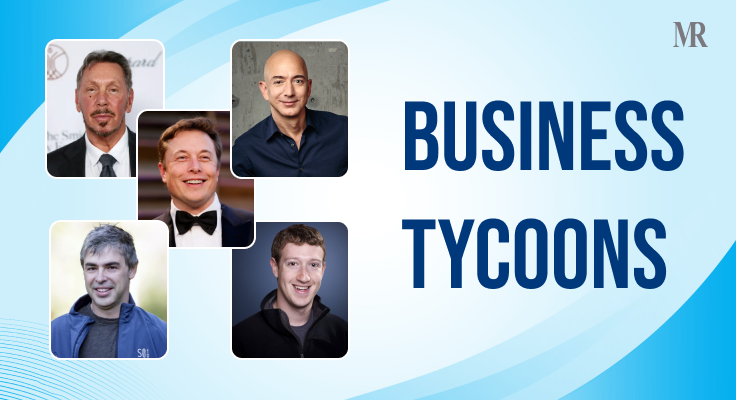
In 2025, the world of business tycoons looks more dynamic than ever, shaped by rapid advances in AI, global competition, rising market valuations, and geopolitical shifts that decide the fate of entire industries.
Today’s business magnates don’t just run companies. They build ecosystems, influence governments, redefine markets, and inspire millions of people who dream of creating their own success stories.
From tech giants powering the AI revolution to retail moguls controlling global supply chains, each business tycoon in the world has a unique journey that blends ambition, strategy, risk-taking, and resilience.
In this blog, we explore the Top 15 Business Tycoons in the World in 2025.
You’ll learn their success stories, leadership styles, investment patterns, failures, and the lessons every entrepreneur can apply.
These famous business tycoons offer powerful real-world examples of innovation, long-term thinking, and the mindset required to build lasting global empires.
Who Are Business Tycoons?
- Business Tycoon Meaning:
A business tycoon is a highly influential entrepreneur or leader who has built massive wealth and power through their companies, investments, or innovations. Unlike ordinary billionaires, tycoons hold exceptional control, market influence, and strategic leverage across industries.
- Business Tycoon vs. Business Magnate:
These terms are often used interchangeably, but they have different meanings.
| Category | Business Tycoon | Business Magnate |
| Primary Definition | A highly influential business leader who builds and actively leads large companies or industries. | A powerful individual who holds substantial wealth, control, or ownership in a specific industry. |
| Core Identity | Creator, builder, and strategic operator. | Owner, controller, and wealth-holder. |
| Source of Power | Operational leadership, innovation, and company-building. | Market control, asset ownership, and financial influence. |
| Level of Involvement | Typically hands-on in strategy, growth, and major decisions. | May be hands-on, but often exerts influence through ownership or control. |
| Business Impact | Drives innovation, industry transformation, and rapid scaling. | Dominates a market through wealth, holdings, or legacy influence. |
| Examples | Elon Musk, Jensen Huang, Mark Zuckerberg. | Bernard Arnault, Amancio Ortega, the Walton Family. |
| Key Difference | Known for building empires. | Known for owning and controlling them. |
What Are Some Business Tycoon Examples?
- Historical Tycoons: The Industrial Era Builders
In the late 1800s and early 1900s, business tycoons built their fortunes in industries that powered national growth.
Leaders like John D. Rockefeller (oil), Andrew Carnegie (steel), and J.P. Morgan (finance and railroads) shaped entire economies with large-scale factories, infrastructure, and monopolistic business strategies.
Their influence came from controlling physical assets, labor, and essential commodities that countries depended on.
- Modern Tycoons (1990–2025): The Technology & Globalization Leaders
Today’s tycoons operate in a completely different world, one driven by technology, data, AI, global brands, and financial markets.
Innovators like Elon Musk, Jeff Bezos, Larry Page, Mark Zuckerberg, and Jensen Huang built empires using digital platforms, software, chips, and automation.
Meanwhile, leaders like Bernard Arnault turned luxury into a global powerhouse, and the Walton family scaled retail through logistics and supply chains.
Modern business magnates thrive not by owning physical resources, but by controlling innovation, intellectual property, networks, and consumer attention.
With a clear understanding of what business tycoons are and how they’ve evolved, here is the list of the top 15 business tycoons in 2025.
List of The Top 15 Business Tycoons In 2025
| Rank | Name | Net Worth | Industry |
| 1 | Elon Musk | $504.1B | EVs, Space, AI, Energy |
| 2 | Larry Ellison | $315.3B | Enterprise Software, Cloud, Media |
| 3 | Jeff Bezos | $263B | E-commerce, Cloud, Media, Space |
| 4 | Larry Page | $233.9B | Search, AI, Cloud, Autonomous Tech |
| 5 | Mark Zuckerberg | $218.8B | Social Media, AI, VR/AR |
| 6 | Sergey Brin | $216.9B | Search, AI, Cloud, Autonomous Driving |
| 7 | Bernard Arnault & Family | $180.6B | Luxury Goods, Fashion, Retail |
| 8 | Jensen Huang | $179.4B | Semiconductors, AI, Computing |
| 9 | Steve Ballmer | $155.7B | Software, Cloud, Sports |
| 10 | Michael Dell | $152.6B | Computers, Enterprise Tech, Investments |
| 11 | Warren Buffett | $141.8B | Investments, Insurance, Conglomerates |
| 12 | Amancio Ortega | $122.6B | Fashion, Retail, Real Estate |
| 13 | Rob Walton & Family | $121.9B | Retail, Consumer Goods |
| 14 | Jim Walton & Family | $119.2B | Retail, Banking |
| 15 | Alice Walton | $110.6B | Retail, Art, Philanthropy |
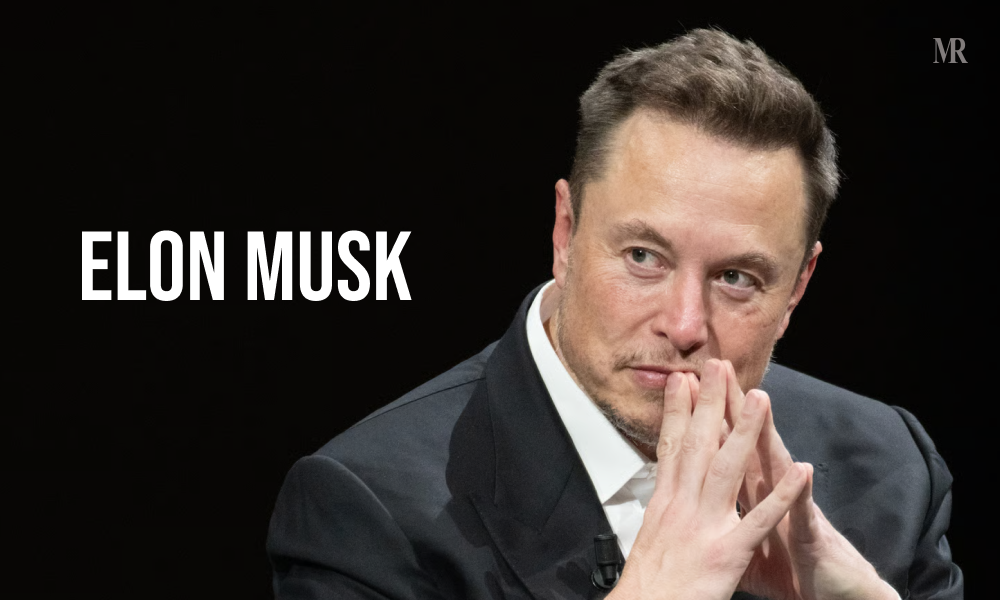
1. Elon Musk
- Net Worth: $504.1B
- Industry: EVs, Space, AI, Energy
- Country: United States
Elon Musk is one of the most influential business tycoons in the world, known for building companies that push the limits of technology.
As the leader of Tesla, SpaceX, and xAI, he oversees enterprises collectively worth well over $1 trillion, with SpaceX alone recently valued at $400 billion and Tesla with a market cap of $1.5 trillion.
His early backing of Tesla in 2004 and his role as CEO since 2008 helped scale EV production from just a few thousand units per year to over a million vehicles annually, turning Tesla into the face of the global EV revolution.
His power moves include merging Twitter with xAI in 2025 into a combined entity valued at around $113 billion, giving him an integrated AI–social ecosystem.
Musk’s leadership style is intense and engineering-driven, known for rapid iteration and high-risk decision-making
Despite controversies such as the voided Tesla compensation package and recurring regulatory scrutiny, he continues to pursue ambitious bets, from full self-driving technology to Starship missions for deep-space exploration and brain–computer breakthroughs through Neuralink.
2. Larry Ellison
- Net Worth: $315.3B
- Industry: Enterprise Software, Cloud, Media
- Country: United States
Larry Ellison, cofounder of Oracle, remains a dominant force in enterprise software and AI infrastructure.
Oracle generated over $57 billion in revenue in fiscal Q4 2025, with cloud services contributing nearly $44 billion, and this AI-driven surge briefly pushed Ellison’s fortune above $300 billion in 2025.
His strategic bet on cloud databases, integrated applications, and high-performance computing has helped Oracle stay competitive against giants like AWS and Microsoft Azure.
Beyond technology, Ellison owns 98% of the Hawaiian island of Lanai, purchased for about $300 million, and holds close to 50% of Paramount Skydance, the media giant with a $16 billion market cap formed after the 2025 merger of Paramount and Skydance.
His leadership style blends aggressive competition with long-term planning, often marked by bold acquisitions and centralized decision-making.
While Oracle has faced criticism for slow early cloud adoption, Ellison’s current focus on AI workloads, cloud expansion, and entertainment investments continues to broaden his influence across technology, infrastructure, and media.
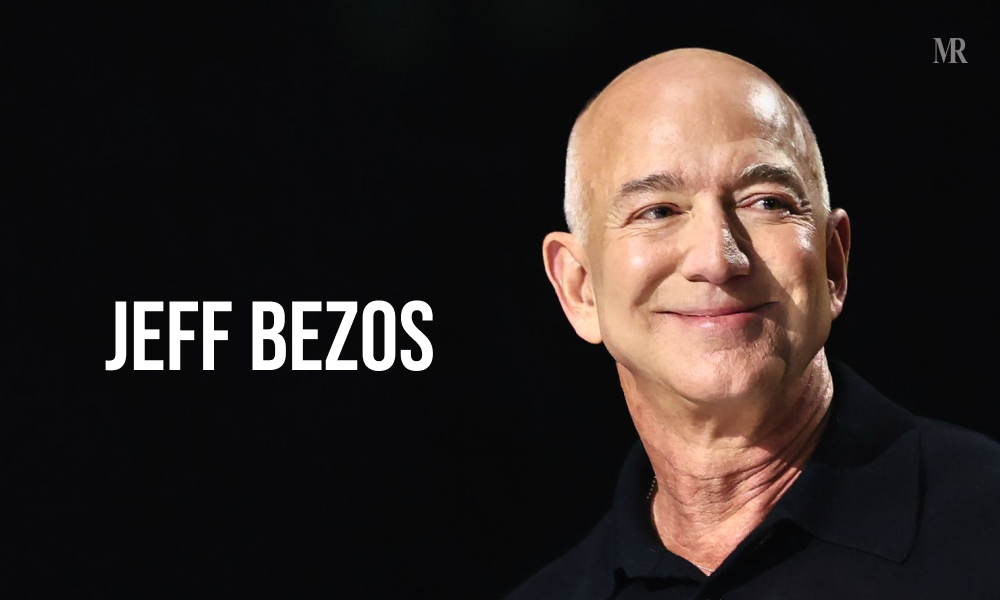
3. Jeff Bezos
- Net Worth: $263B
- Industry: E-commerce, Cloud, Media, Space
- Country: United States
Jeff Bezos, founder of Amazon, remains one of the world’s most influential business tycoons, even after stepping down as CEO in 2021.
Amazon has grown into a global powerhouse with over $2.6T market cap, and AWS alone generates more than $100 billion per year, making it the most profitable cloud platform in the world.
Bezos still owns around 8% of Amazon, a stake worth over $150 billion, and recently became $10 billion richer after Amazon’s OpenAI deal boosted the stock, reinforcing his position as a leading tech investor. His portfolio also includes The Washington Post and Blue Origin, the space company pushing reusable rockets and commercial space tourism.
Bezos is known for his disciplined, long-term strategy based on customer obsession, operational efficiency, and reinvesting profits into new categories.
While he has faced setbacks, such as labor disputes, antitrust scrutiny, and slower-than-expected mass adoption of Alexa devices, his core businesses continue to grow.
His philanthropic efforts include the $10 billion Bezos Earth Fund, with billions already deployed toward climate-focused innovation and conservation.
His current bets revolve around AI-driven retail automation, cloud dominance, satellite networks, and long-term expansion of Blue Origin’s reusable rocket technology and lunar ambitions. He is also one of the most powerful person in the world.
4. Larry Page
- Net Worth: $233.9B
- Industry: Search, AI, Cloud, Autonomous Tech
- Country: United States
Larry Page, cofounder of Google, is one of the key architects behind the modern internet economy.
Although he stepped down as Alphabet CEO in 2019, he remains a controlling shareholder and influential board member.
Google’s parent company, Alphabet, generates over $370 billion in revenue annually, led by search, YouTube, and its rapidly expanding AI ecosystem. Page’s early creation of the PageRank algorithm built the foundation of a business that now commands over 90% of the global search market share, influencing billions of users daily.
Page’s leadership style has always centered on breakthrough innovation and moonshot thinking. He has backed projects such as Waymo (autonomous driving), Verily and Calico (health and longevity), and Google’s advanced AI research labs.
While some ventures like Google Glass or certain Alphabet exploratory projects have fallen short of commercial impact, Page’s long-term approach continues to shape the company’s identity as an innovation-first conglomerate.
His current focus is on deep-tech projects through Alphabet’s moonshot division, AI expansion (Gemini ecosystem), and the future of autonomous vehicles through Waymo, which continues to operate one of the largest self-driving fleets in the U.S.
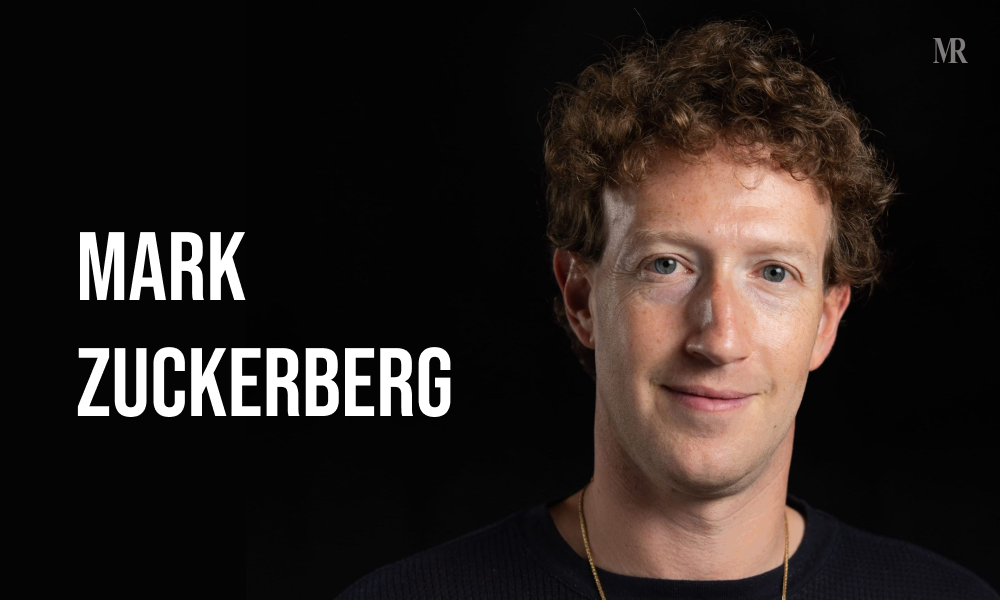
5. Mark Zuckerberg
- Net Worth: $218.8B
- Industry: Social Media, AI, VR/AR, Advertising
- Country: United States
Mark Zuckerberg, cofounder and CEO of Meta Platforms, continues to be one of the most powerful business tycoons in the digital world.
Meta generates over $170 billion in annual revenue, with advertising still accounting for the bulk of its income. Zuckerberg owns roughly 13% of Meta, a stake worth more than $100 billion.
Over the past decade, he transformed Facebook from a social network into a global tech ecosystem spanning Instagram, WhatsApp, Reels, Quest VR, and the company’s AI-driven infrastructure, including the Llama family of models.
Zuckerberg’s leadership style blends aggressive innovation with long-term resilience.
His pivot to the metaverse in 2021 triggered heavy losses with Meta Reality Labs losing money even in Q3 2025. In 2024–2025, Meta regained momentum as AI products drove strong engagement and advertising growth, pushing Meta’s valuation back above $1 trillion.
His current priorities include scaling Meta AI globally, advancing AR glasses, and competing in the rapidly escalating AI model race.
6. Sergey Brin
- Net Worth: $216.9B
- Industry: Search, AI, Cloud, Autonomous Driving
- Country: United States
Sergey Brin, Google’s cofounder, is a key figure behind one of the most valuable companies in history.
Alphabet’s revenue exceeds $370 billion annually, driven by Google Search, YouTube, Android, and its expanding AI ecosystem. Brin, who owns significant Class B super-voting shares, remains a controlling shareholder and influential voice within Alphabet. His stake, which is valued well above $100 billion, places him among the world’s richest entrepreneurs.
Although he stepped down from his executive role in 2019, Brin has stayed closely involved in the company’s AI efforts, particularly supporting Google’s in-house large language model programs.
Brin’s leadership philosophy focuses heavily on research, experimentation, and technological breakthroughs.
He has backed Alphabet’s ambitious moonshot initiatives, including Waymo, which remains one of the most advanced autonomous driving platforms, with commercial operations in multiple U.S. cities.
His current interests include advancing AI safety, expanding self-driving capabilities, and investing in scientific and medical research, particularly related to neurological conditions.
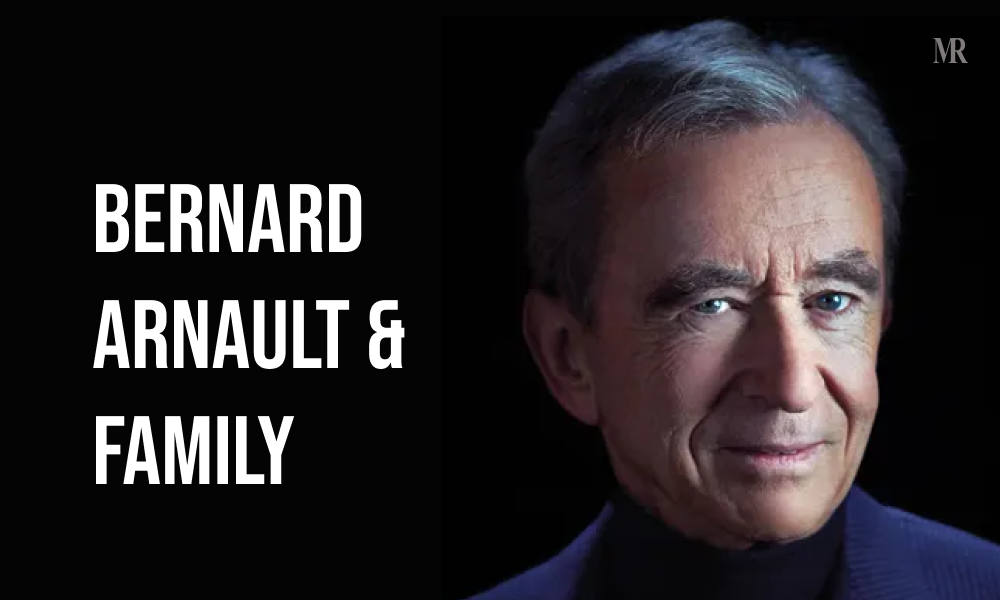
7. Bernard Arnault & Family
- Net Worth: $180.6B
- Industry: Luxury Goods, Fashion, Retail
- Country: France
Bernard Arnault, chairman and CEO of LVMH, oversees the world’s largest luxury empire with more than 75 iconic brands, including Louis Vuitton, Dior, Tiffany & Co., Sephora, and Hennessy.
LVMH has a market cap of around $350 billion, making it the most valuable luxury conglomerate globally. Arnault owns a controlling stake through his family holding company, Agache, which secures his position as one of the wealthiest business tycoons in Europe.
Furthermore, LVMH’s smart acquisitions, especially the $15.8 billion purchase of Tiffany & Co. in 2021, have strengthened its dominance in jewelry and fashion.
Arnault’s leadership style is rooted in precision, brand elevation, craftsmanship, and tight operational execution. He is known for reviving heritage brands by blending tradition with modern global appeal. His children also hold senior roles across LVMH, aligning with a long-term succession plan.
While Arnault has faced challenges such as slowing luxury demand in China and growing competition from Kering and Richemont, his bets, like LVMH’s lead sponsorship of the Paris 2024 Olympics and rising investments in beauty tech, continue to elevate his global footprint.
His current focus includes expanding into high-end jewelry, strengthening digital luxury channels, and cultivating LVMH’s newer markets in India and the Middle East.
8. Jensen Huang
- Net Worth: $179.4B
- Industry: Semiconductors, AI, Computing
- Country: United States
Jensen Huang, cofounder and CEO of Nvidia, is widely regarded as the architect of the modern AI revolution.
Nvidia’s GPUs have become essential infrastructure for AI training and data centers worldwide, driving the company’s explosive growth.
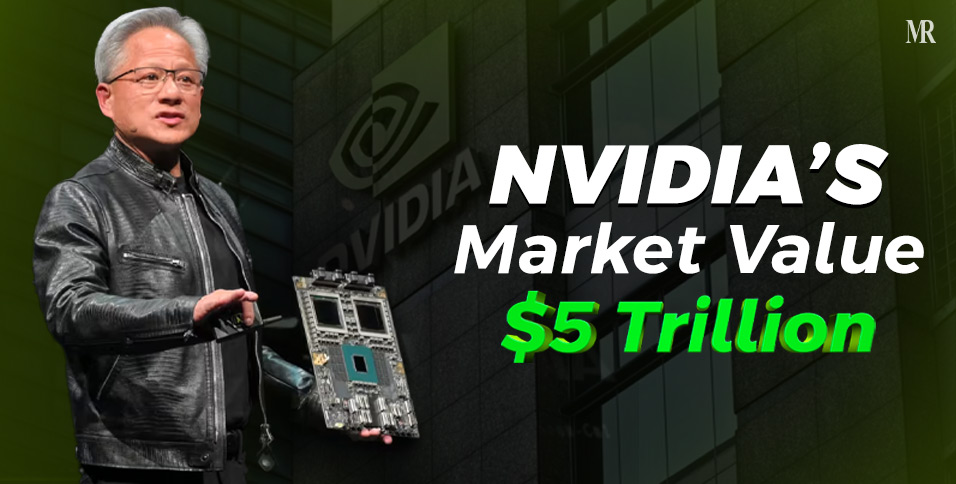
By 2025, Nvidia surpassed $5 trillion in market cap, becoming one of the most valuable companies on the planet. Huang owns about 3% of Nvidia, a stake worth over $100 billion, fueled by massive demand for AI chips like the H100, H200, and Blackwell series.
Huang’s leadership is visionary, product-led, and deeply technical. He built Nvidia by anticipating shifts from gaming GPUs to AI accelerators to full-stack computing systems.
Despite early setbacks in mobile chips and cryptocurrency-related volatility, Huang doubled down on AI, transforming Nvidia into the world’s dominant AI hardware provider.
His latest bets include AI supercomputers, robotics platforms, and digital twin simulations through Nvidia Omniverse. With the global AI race accelerating, Huang stands as one of the most strategically influential business leaders in semiconductors and artificial intelligence.
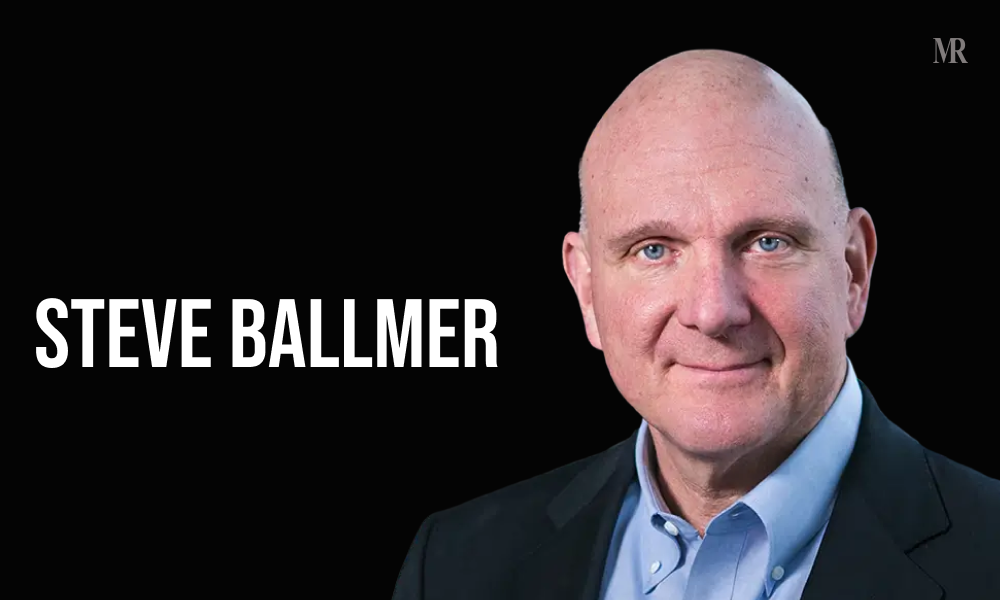
9. Steve Ballmer
- Net Worth: $155.7B
- Industry: Software, Cloud, Sports
- Country: United States
Steve Ballmer, former CEO of Microsoft, has become one of the wealthiest business magnates largely due to the explosive long-term growth of Microsoft’s stock.
As of 2025, Ballmer remains the largest individual shareholder, with an estimated ~4% stake valued at over $120 billion.
During his tenure as CEO (2000–2014), Microsoft’s revenue grew from $25 billion to $77 billion, making it one of the most profitable companies in the world today.
While he faced criticism for missing early mobile and search trends, his leadership stabilized Microsoft after the dot-com crash and set the stage for Azure’s future success.
Beyond tech, Ballmer owns the Los Angeles Clippers, which he purchased in 2014 for $2 billion, a record at the time. The team is now valued at over $7.5 billion, more than doubling his investment, and he also invested another $2 billion into building the state-of-the-art Intuit Dome arena, opening in 2024.
Known for his energetic personality and detail-oriented management style, Ballmer has also become a major philanthropist, with more than $5.7 billion donated toward U.S. poverty reduction and economic mobility initiatives.
His current focus includes expanding his philanthropic footprint and deepening his investments in sports technology and fan experience.
10. Michael Dell
- Net Worth: $152.6B
- Industry: Computers, Enterprise Tech, Investments
- Country: United States
Michael Dell, founder and CEO of Dell Technologies, has built one of the world’s largest technology and infrastructure companies.
Following Dell’s $60 billion merger with EMC in 2016, Dell Technologies became a major force in enterprise storage, servers, and cloud solutions.
The company has a market cap of over $107 billion, placing it among the world’s top IT giants. Much of Michael Dell’s personal fortune also comes from DFO Management, his private investment firm, which holds multibillion-dollar positions across real estate, hospitality, private credit, and technology.
A major wealth boost came from the $69 billion sale of VMware to Broadcom in 2023, where Dell owned roughly 39% of VMware, translating into tens of billions in cash and shares.
His leadership style is strategic, private, and financially disciplined, often opting for complex restructurings to optimize long-term value.
He has also become one of the tech industry’s largest philanthropists, donating $2.9 billion along with his wife.
Michael Dell’s current focus includes enterprise AI infrastructure, private credit markets, and expanding Dell Technologies’ footprint in hybrid cloud and edge computing.
11. Warren Buffett

- Net Worth: $141.8B
- Industry: Investments, Insurance, Conglomerates
- Country: United States
Warren Buffett, the legendary investor and longtime CEO of Berkshire Hathaway, continues to be one of the most respected business tycoons in the world and the greatest investor of all time.
Berkshire generates over $390 billion in annual revenue and owns dozens of major companies, including GEICO, Burlington Northern Santa Fe (BNSF), Duracell, and Dairy Queen.
Buffett personally owns more than 15% of Berkshire Hathaway, representing the bulk of his wealth and keeping him firmly among the richest individuals globally.
Known as the “Oracle of Omaha,” Buffett built his empire through disciplined value investing, long-term holding strategies, and unmatched capital allocation.
He famously purchased his first stock at age 11 and has grown Berkshire into a conglomerate that has $1 trillion market cap.
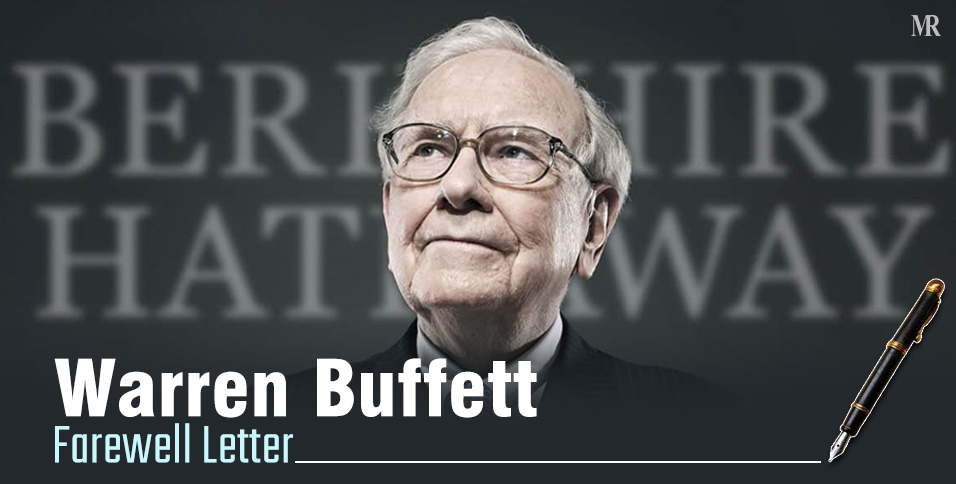
Despite stepping down as CEO at the end of 2025, Buffett remains chairman and continues influencing the firm’s long-term philosophy.
He has pledged to donate more than 99% of his wealth, with nearly $65 billion already given away, primarily through the Gates Foundation and his family foundations.
His current focus centers on philanthropy, succession planning, and stabilizing Berkshire’s portfolio during market volatility.
12. Amancio Ortega
- Net Worth: $122.6B
- Industry: Fashion, Retail, Real Estate
- Country: Spain
Amancio Ortega, founder of Inditex, is one of the most influential figures in global fashion and the pioneer of the fast-fashion business model.
Inditex, parent company of Zara, Massimo Dutti, Pull & Bear, and Bershka, has a market cap of over $170 billion and operates more than 5,000 stores worldwide.
Ortega owns roughly 60% of Inditex and continues to earn more than $400 million in annual dividends, making him one of the highest dividend recipients in Europe.
Beyond fashion, Ortega has quietly built a massive real estate empire valued at more than $20 billion, with prime commercial properties across the U.S. and Europe, including landmark buildings in New York, London, and Madrid.
Known for his extremely private leadership style, Ortega rarely appears in public and stepped back from day-to-day operations, handing the chairmanship to his daughter Marta Ortega in 2022.
Despite stepping back from management, his core strategy of rapid design cycles and efficient supply chains continues to drive Inditex’s strong margins and global growth.
His current focus includes expanding Zara’s e-commerce capabilities and reinvesting heavily in commercial real estate during global market shifts.
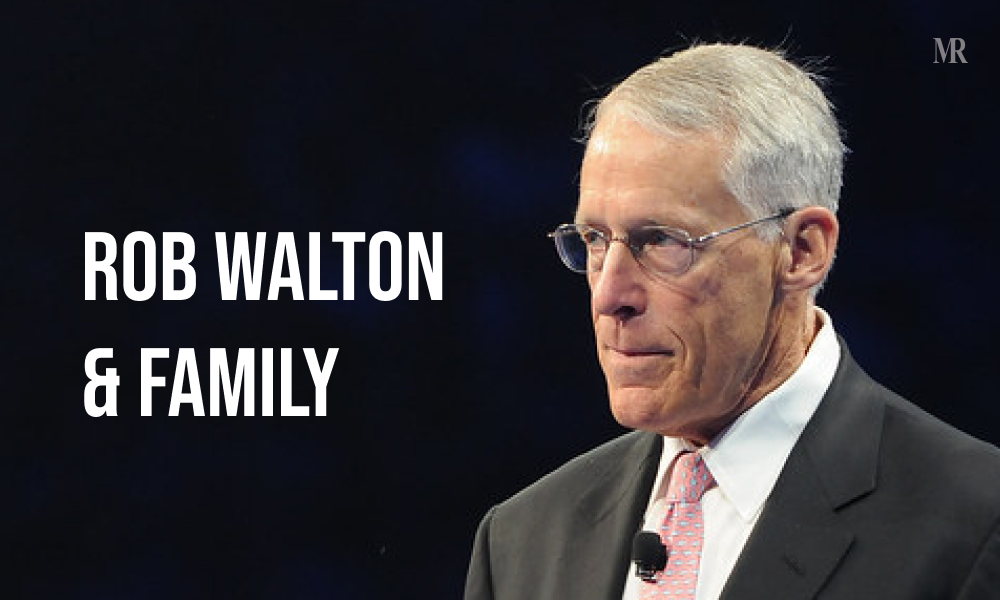
13. Rob Walton & Family
- Net Worth: $121.9B
- Industry: Retail, Consumer Goods
- Country: United States
Rob Walton, the eldest son of Walmart founder Sam Walton, remains one of the wealthiest retail magnates in the world.
Walmart generates over $680 billion in annual revenue. Walmart’s scale, of over 10,000 stores and one of the world’s largest e-commerce and logistics networks, continues to anchor the Walton family’s massive wealth.
The Walton family collectively owns about 45% of Walmart’s stock, with Rob holding a significant portion of that stake.
Rob served as chairman of Walmart for more than two decades and helped guide the company through international expansion, technology modernization, and the rise of e-commerce competition.
While no longer involved in day-to-day operations, he remains an influential shareholder and part of the family’s governance ecosystem. His current interests include philanthropy, environmental initiatives, and strategic oversight of the family’s multibillion-dollar holdings.
Walmart’s consistent growth in grocery, healthcare services, and online retail ensures the Walton family’s continued dominance in the global retail landscape.
14. Jim Walton & Family
- Net Worth: $119.2B
- Industry: Retail, Banking
- Country: United States
Jim Walton, the youngest son of Sam Walton, holds a significant share of Walmart’s equity and plays a major role in managing the family’s financial and philanthropic assets.
Alongside his siblings, Jim is part of the Walton group that owns about 45% of Walmart, contributing significantly to his multibillion-dollar fortune.
Walmart’s sheer scale, with annual revenues exceeding $650 billion and a record of the largest employees worldwide, keeps the Walton heirs among the richest families across generations.
Beyond Walmart, Jim Walton is chairman of Arvest Bank, a regional banking group with more than $20 billion in assets, making it one of the largest family-owned banks in the U.S.
His leadership style is quiet, conservative, and operational, with a focus on financial stability and long-term community investments. Under his watch, the Walton Family Foundation has expanded its contributions across education, environment, and community development.
Jim’s current priorities include banking expansion, family governance, and philanthropic scaling.
15. Alice Walton

- Net Worth: $110.6B
- Industry: Retail, Art, Philanthropy
- Country: United States
Alice Walton, the only daughter of Sam Walton, is a major Walmart shareholder and one of the world’s most influential patrons of art and culture.
Her personal wealth is tied primarily to her Walmart stake, which forms part of the Walton family’s 45% ownership of the retail giant.
As Walmart continues dominating with a $810 billion market cap, Alice’s net worth remains stable, placing her among the richest women globally.
Unlike her brothers, Alice has never worked in Walmart’s operations and instead built her legacy through the arts and philanthropy.
She founded the Crystal Bridges Museum of American Art in Bentonville, Arkansas, which houses one of the most valuable private art collections in the U.S., spanning works from Warhol to Rockwell.
In 2025, she launched the Alice L. Walton School of Medicine, welcoming its inaugural class of 48 students and marking a major expansion of her philanthropic focus on healthcare access and medical education.
Alice’s long-running strategy blends art, culture, and community development, positioning her as a unique business tycoon whose influence extends far beyond retail.
The Common Traits of Business Tycoons
Now that we’ve explored the top 15 business tycoons in the world, let’s look at the powerful traits they all share.
- Pattern Recognition: Tycoons spot major shifts early, like Jensen Huang anticipating the AI boom that pushed Nvidia to $5 trillion in market cap.
- Capital Allocation: They deploy money where returns compound fastest, as Warren Buffett proved by turning Berkshire into a $1T+ empire.
- Long-Term Thinking: Leaders like Mark Zuckerberg endure multi-year losses in VR/AR, knowing the long-term platform potential outweighs short-term pain.
- Risk Asymmetry: Elon Musk’s near-bankruptcy gamble in 2008 later turned Tesla and SpaceX into companies worth hundreds of billions.
- Strategic Patience: Bernard Arnault built LVMH over decades, transforming it into a $347B luxury powerhouse through steady acquisitions.
- Talent Curation: Mark Zuckerberg accelerated Meta’s large-scale hiring drive across AI, infrastructure, and product engineering in 2024–2025, rebuilding talent depth.
- Market Timing: Larry Ellison demonstrated exceptional timing by securing nearly 50% of the $28B Paramount–Skydance merger in 2025, just as consolidation in Hollywood began.
Failures and Controversies of Business Tycoons
Success doesn’t come without obstacles, and here are some of the biggest failures and controversies that have shaped these business moguls.
- Regulatory Issues: Zuckerberg and Bezos face recurring antitrust and privacy investigations due to their platforms’ global dominance.
- Market Crashes: Tycoons like Elon Musk have lost tens of billions during major Tesla and tech market downturns.
- Failed Ventures: Google’s founders have shut down multiple moonshot projects that failed to gain commercial traction.
- Public Criticism: Public figures such as Bezos and Zuckerberg often face scrutiny over labor policies, misinformation, and wealth concentration.
- Governance Issues: Rejection of Musk’s Tesla compensation package sparked major debates around CEO oversight and executive power.
The Future of Business Tycoons (2025–2035 Prediction Section)
As industries evolve and new technologies emerge, the next generation of business tycoons will look very different from today’s leaders.
- AI-First Tycoons: The next wave of tycoons will emerge from AI infrastructure, model development, robotics, and automation, mirroring Nvidia’s rise but across new verticals like agentic AI and AI-native operating systems.
- Space Billionaires: Private space companies will create new tycoons as reusable rockets, satellite networks, and lunar commerce unlock trillion-dollar industries led by Musk, Bezos, and upcoming aerospace company founders.
- Bio-Tech Magnates: Advances in gene editing, longevity science, and personalized medicine will produce biotech-driven magnates as breakthroughs shift healthcare from treatment to prevention.
- Climate-Tech Industrialists: Massive investments in clean energy, carbon capture, green hydrogen, and sustainable materials will create climate-tech tycoons as governments and corporations race toward net-zero goals.
- Rising Magnates from India, the Middle East, and Southeast Asia: New billionaires will emerge from high-growth sectors such as digital payments, infrastructure, AI services, and industrial manufacturing as these regions become global economic powerhouses.
- Creator-Economy Tycoons: Social Media Influencers and digital-native entrepreneurs will evolve into multimillion-dollar brands, leveraging AI tools, media networks, and decentralized ownership models to build scalable empires.
Conclusion
Business tycoons build their empires through a mix of vision, resilience, strategic decisions, and decades of disciplined execution.
From AI innovators and luxury moguls to retail dynasties and tech pioneers, each leader proves that success at this scale is never accidental. It comes from spotting patterns early, mastering capital allocation, and staying committed to long-term thinking.
As the next decade unfolds, new tycoons will rise from AI, space, biotech, climate tech, and emerging economies, reshaping industries in ways we are only beginning to understand.
Tycoons are not born but are built through decades of disciplined decision-making.